The bus window held the rain longer than the road did
I was on service 123, not because it was fastest, but because the earlier bus had smelled of wet umbrellas and I wanted a seat by the glass. Clementi was behind me. Chin Swee was ahead — a name on the LED board that always sounds sharper than the place feels when you arrive.
The shower had started over Buona Vista and followed us like a polite guest who will not leave until thanked. Droplets beaded on the upper pane and slid down in thin races, merging, splitting, finding the rubber seal and pausing there as if considering a longer journey inward. I pressed my knuckle lightly against the frame. Cold. The kind of cold that makes you aware of your own heat.
We slowed near Outram without stopping. Traffic had thickened into that evening braid where cars, buses, and delivery bikes share one lane and nobody wins cleanly. Through the smear of water I could see a row of shophouse awnings, their colours muted, their signs readable only if you already knew what they sold. A man in a navy polo held a phone to his ear and walked in place at a crossing that would not turn for him yet.
Chin Swee Road came up the way these names always do — first as text, then as slope, then as a change in air. The bus dipped. My reflection in the window doubled with the street: two Jeremys, neither of them quite sharp. I thought about the last time I had walked that stretch on foot. It was months ago, midday, heat bouncing off metal railings. Today it was all grey light and brake lights.
Something ahead made the driver lift his foot early. Not a dramatic stop — more a long exhale. Passengers looked up from their screens with the mild curiosity reserved for delays that do not yet feel personal. I leaned forward enough to see past the headrest in front of me. There were flashing lights at a distance, blue and white, pulsing against wet asphalt in a rhythm that turned the whole scene into a photograph I did not take.
I want to be clear about what I am not claiming. I did not get off the bus. I did not walk towards the lights. I did not see faces, uniforms, or anything that would let me narrate an event with authority. I saw periphery — the kind of evening where a city performs seriousness at one corner while the rest of the route keeps moving because it must.
The woman beside me whispered a question to her companion. He shook his head once. Across the aisle a student paused a video and listened instead, earbuds still in, volume probably still on. The bus inched. Stopped. Inched again. My phone buzzed with a message I did not open because opening it would have felt like leaving the window.
When we finally rolled past, the view changed in layers: lights thinning, pavement widening, ordinary shops reasserting themselves. A bakery sign. A clinic hours sticker. A row of potted plants under a shelter that had done its job. The rain on my pane had thinned too, leaving streaks like chalk on a board not yet wiped clean.
I thought about how memory attaches to surfaces. Not always to the thing you saw most clearly, but to the medium you saw it through. Glass. LED text. The soft vibration of a bus at idle. Years from now I may not remember the exact sequence of blocks, but I will remember the way the window held water longer than the road did, as if the glass were keeping score.
At Chin Swee I did not alight. I stayed seated until my usual stop, one hand on my bag, the other resting on my knee, watching the city recompose itself into evening errands. Someone got on with a paper bag that smelled of curry puffs. The air changed. Life continued in the small proofs we notice only when something else has made us quiet first.
Home was Clementi, block 726, a flat where the fan clicks once before settling into its summer rhythm. I hung my shirt to dry though it was barely damp. I made tea I forgot on the counter. I opened a notebook and wrote the date, then stopped, because the sentence that wanted to come first was about glass, not about roads or names on boards.
That is the whole entry. No theory. No second-hand detail dressed as witness. I am a person who rides buses and notices windows. On 12 November 2025, near Chin Swee, the window did more work than I did. I am writing it down before the image folds into something sharper and less true.
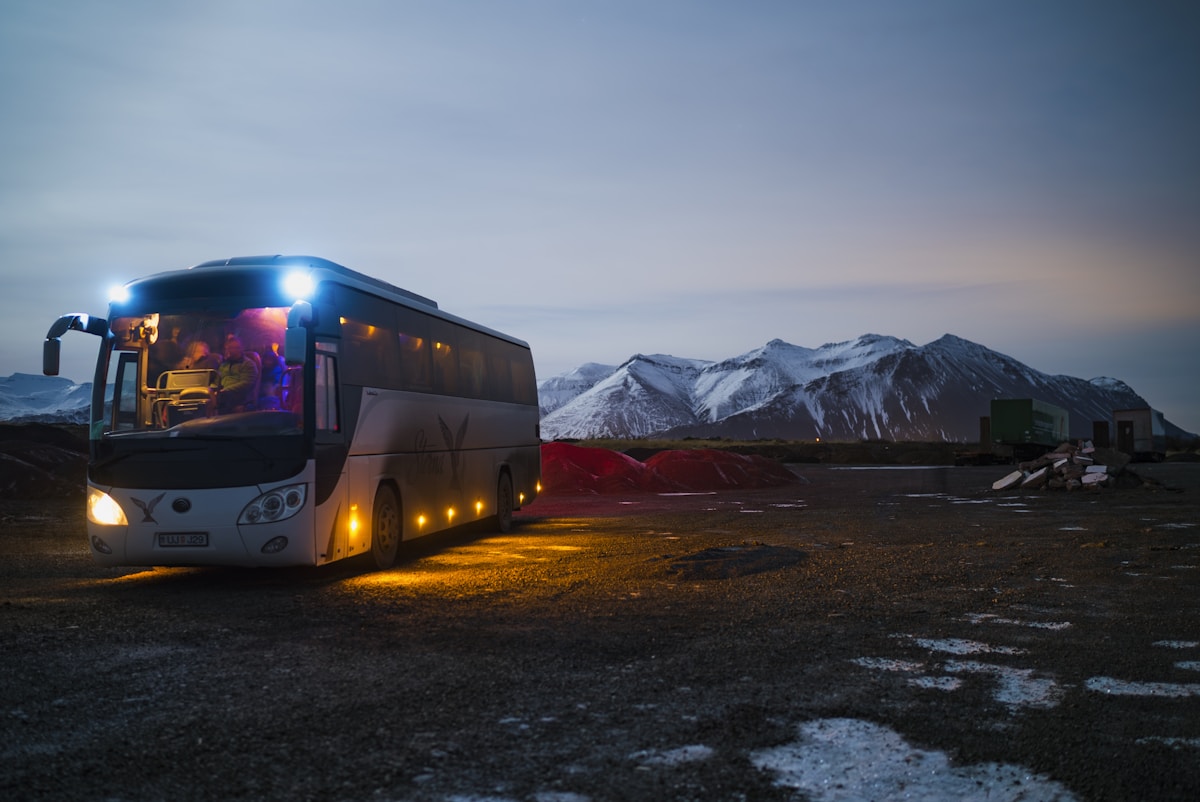
The pane I was looking through — not Chin Swee itself, but the same weather.