Four Frames
Four photographs from the last month, each with a caption that refuses to stay short.
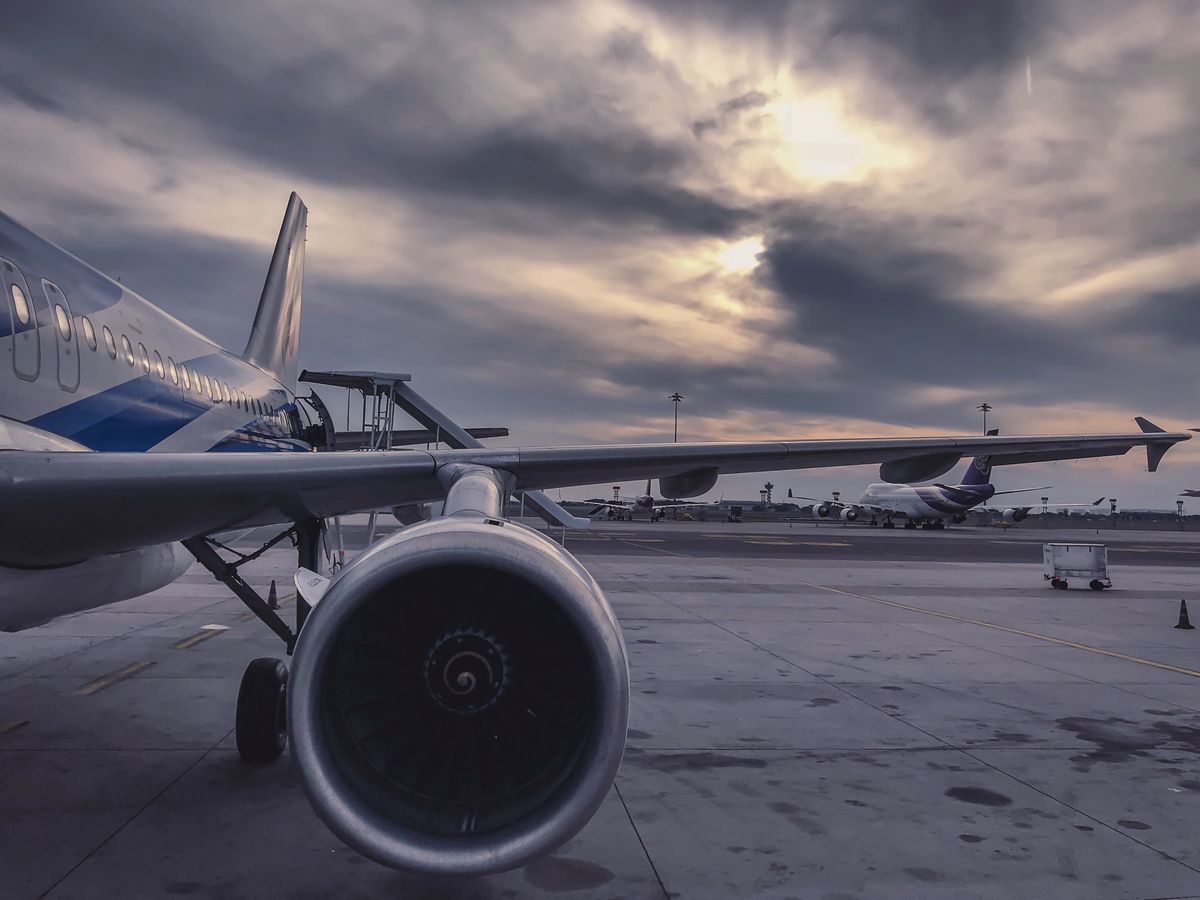
The platform at Jurong East looked staged, as if someone had polished the yellow line just for this hour. I had missed my connection by forty seconds — long enough to feel personal, short enough to be ridiculous. An uncle paced the length twice, stopped at the vending machine, decided against it. Evening commuters carry a particular silence: not tired exactly, but negotiated. I wrote the time on my ticket stub: 18:52. The next train arrived with its familiar sigh and the silence broke into boarding noise. I boarded without looking at the photo I had taken, then looked anyway because habits win. The platform emptied behind me like a room after a meeting adjourns.
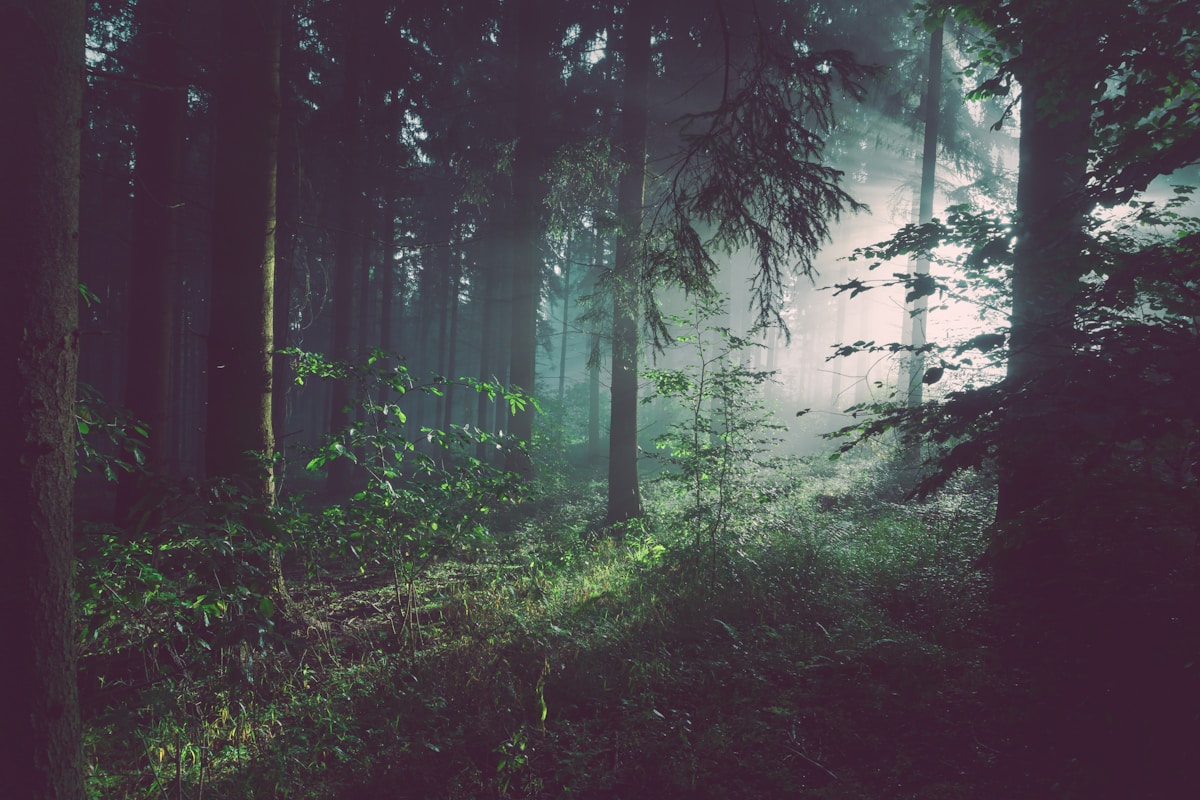
Noon shelters are geometry lessons. The roof cuts the sun into a clean rectangle on the pavement; everything outside that rectangle is unbearable. I stood half in shade, half in heat, eating peanuts from a packet that had split at the corner. Service 52 was late enough that doubt became plausible. A schoolboy practiced flicking a bottle cap along the curb. When the bus came, we both stepped forward as if we had won something minor and real. Heat makes generosity strange: I offered him the last peanut; he declined with a seriousness that belonged to older people. The bus air-conditioning hit like a verdict. I kept the photo because shade looks simple until you try to describe it.

Corridor railings collect laundry pegs the way beaches collect shells — not because anyone intends a collection, but because hands forget. My neighbour's mint plant had escaped its pot by an inch, roots daring the concrete. I touched a leaf and smelled nothing; heat had locked the oils inside. Further down, a child had chalked a hopscotch grid that stopped at unit 714 because chalk runs out like patience. I stepped over the number nine and felt absurdly careful. Someone had hung a small wind chime made of keys; it sounded only when the lift door opened and sent a draft down the hallway. I photographed the railing instead of the chime because metal holds light longer in Singapore afternoons.
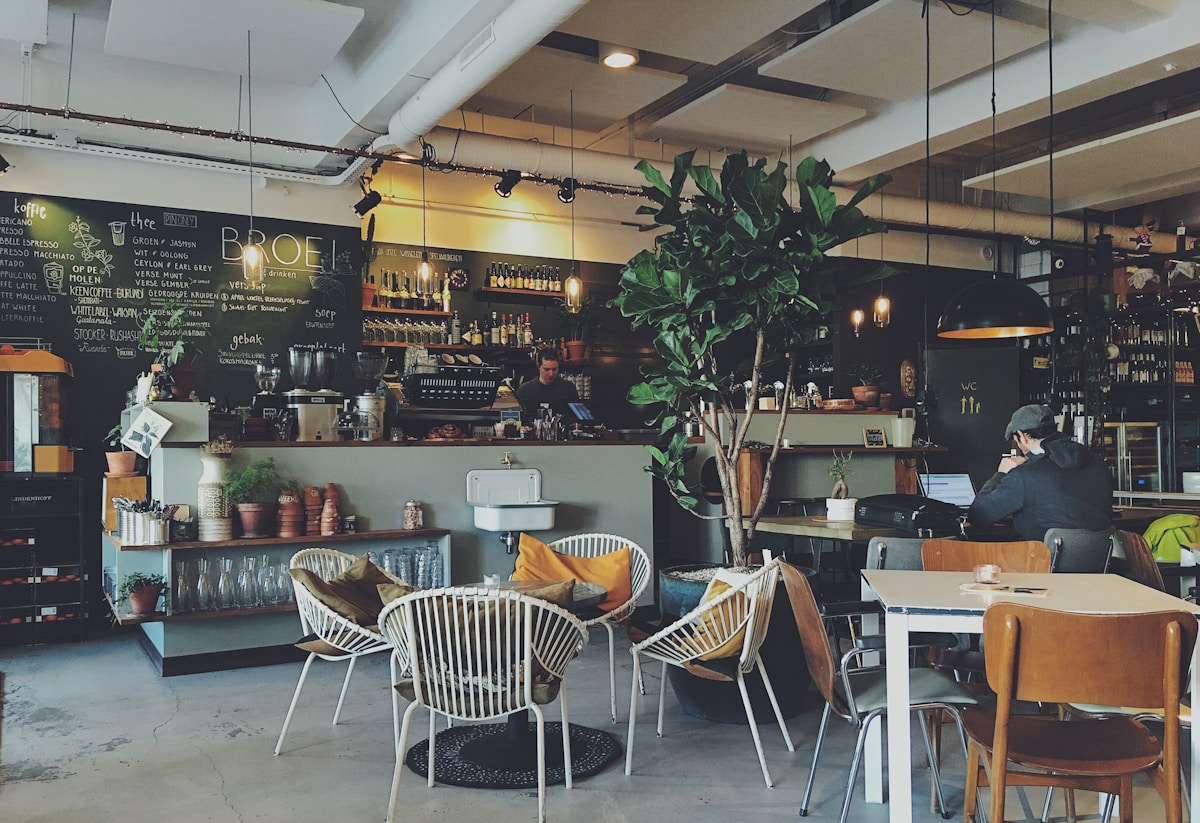
Dusk crossings are trust exercises. The green man flashes with optimism; drivers brake with varying grace. I photographed the blur because stillness felt dishonest. A delivery rider paused on the line, mounted phone, eyes on the timer rather than me. We exchanged the nod Singapore gives strangers when neither wants a conversation. When the light changed, he went left and I went straight, each of us carrying heat home in different containers. Streetlights came on mid-crossing, which always feels like a scene change in a play nobody rehearsed. I saved the frame with the worst blur because it looked most like what crossing actually feels like: motion first, detail later. The still version felt like a lie even though it was sharper.